Guest blog courtesy of ANY.RUN.ClickFix has become the “client headache” of 2025; the one attack pattern MSSPs are now seeing across every environment, from small tenants to large enterprise fleets. A fake CAPTCHA, a quick paste, and the malware lands on the endpoint without raising any alarms from the user’s perspective.The method is simple, but the outcome creates a messy gap for defenders.Why did ClickFix climb the charts so fast, and what makes it so disruptive for managed environments?
Let’s break down the trend and then see how leading teams are already catching these chains in minutes.
The Trend of 2025: Cross-Platform ClickFix
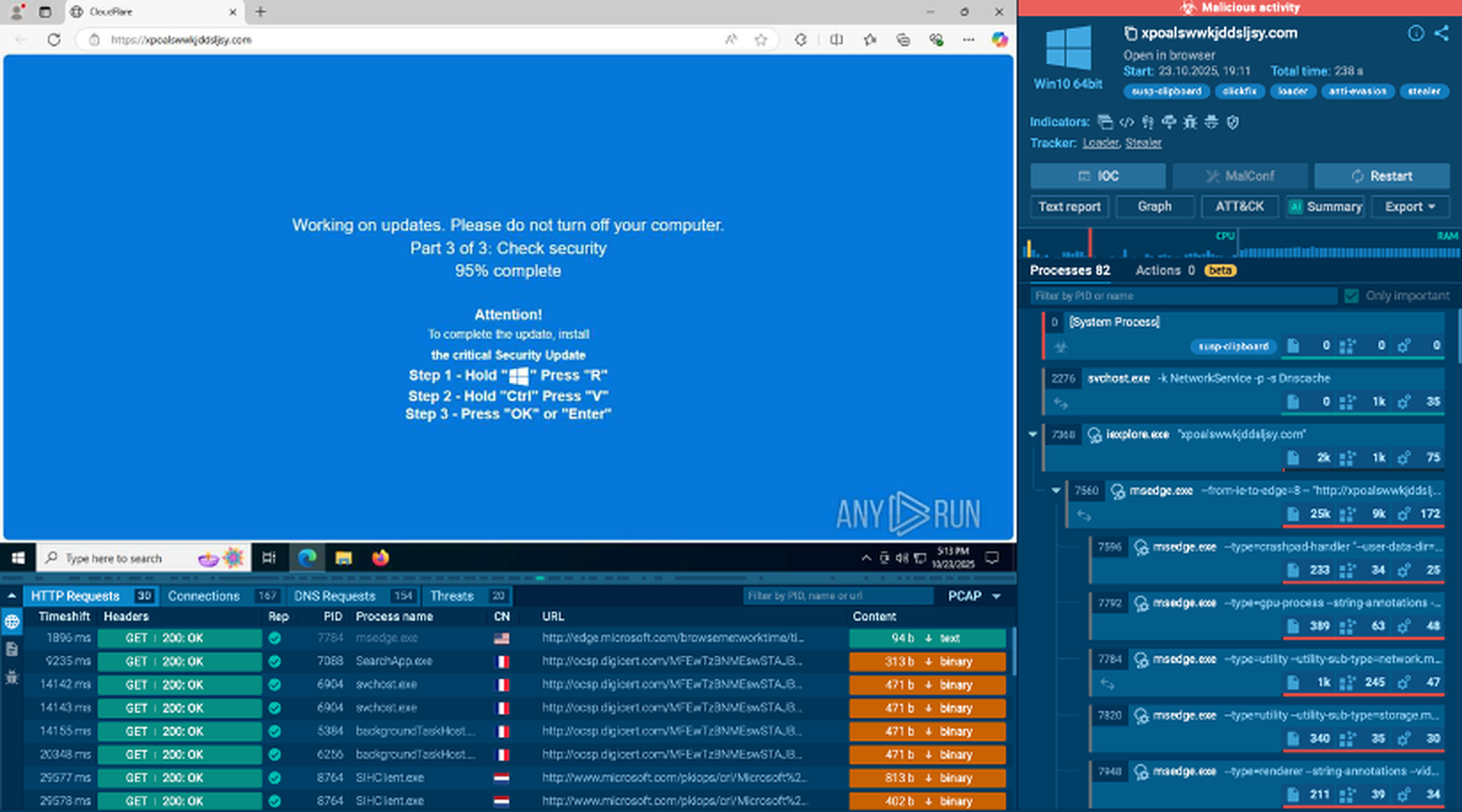
What makes ClickFix stand out in 2025 is its reach. Attackers no longer limit these traps to shady websites or low-effort phishing pages. They now tailor the same copy-paste trick for Windows, macOS, and Linux, adjusting the instructions so the victim believes they’re completing a routine step in their own environment.To check how ClickFix works in practice, here’s one of the most common Windows-focused variants analysts were able to expose inside ANY.RUN’s interactive sandbox.
Check a dangerous ClickFix attack uncovered in minutesDetonation of fake update ClickFix variant inside ANY.RUN’s interactive sandboxIn this case, the user is told to finish a “Windows update,” but the pasted command quietly triggers scripted activity, downloads an executable, probes the system, and deploys an info-stealer; all while appearing completely normal to the victim.Equip your team to expose full ClickFix chains in ~60 seconds, detect up to 58% more threats, and work 3× faster. Try ANY.RUN now
Why This Threat Hits MSSP Clients Especially Hard
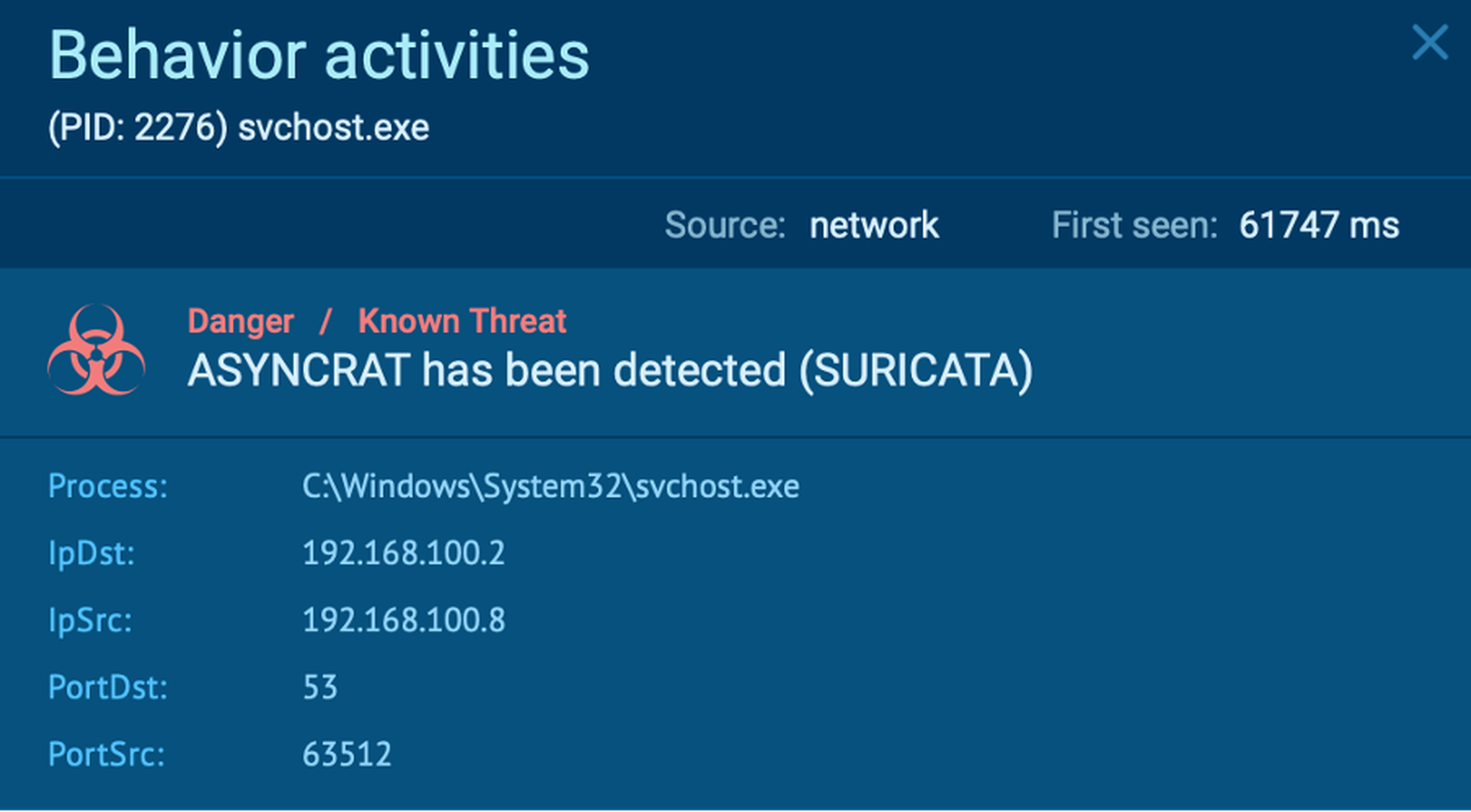
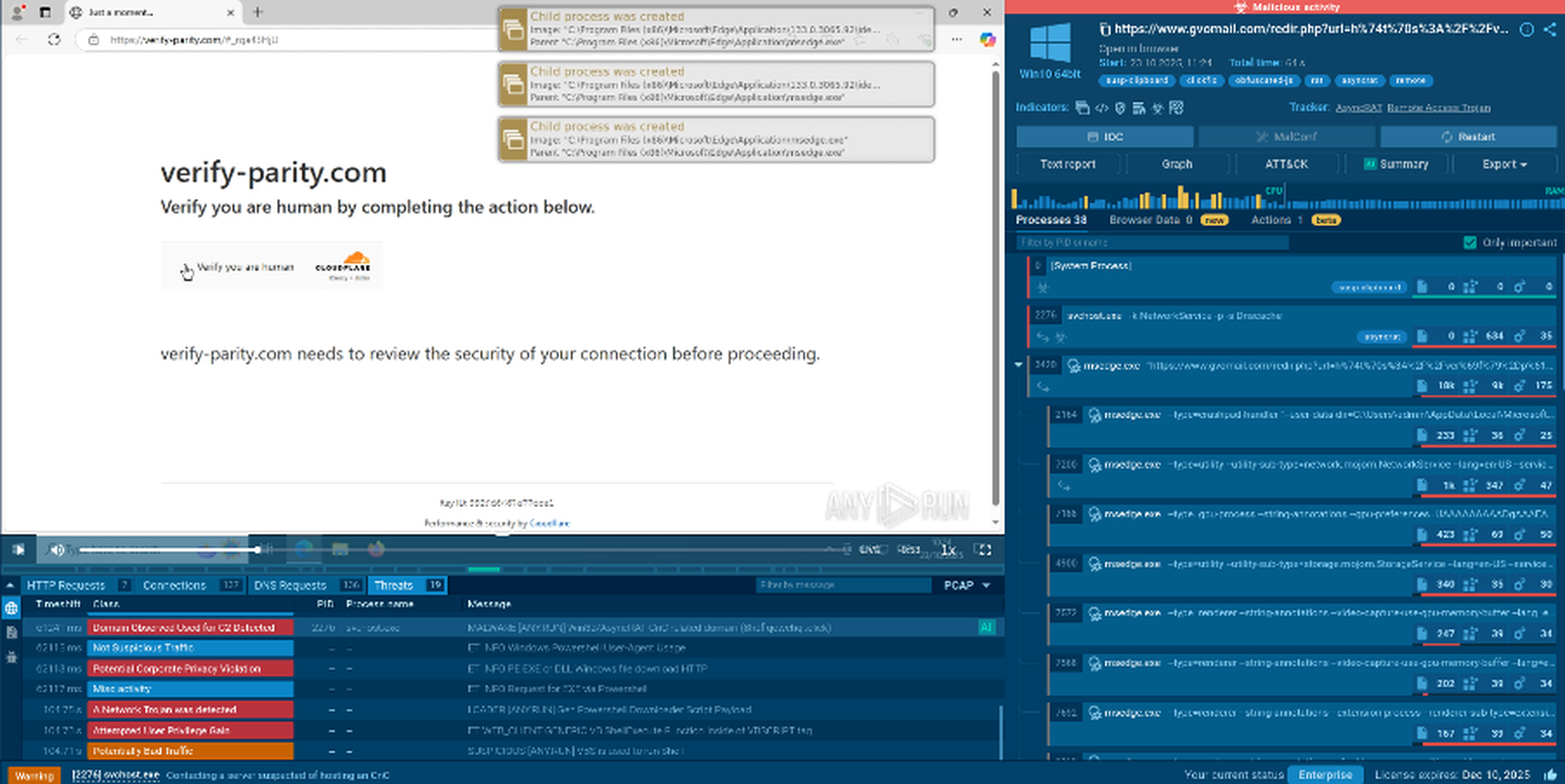
ClickFix creates problems that traditional phishing or malware campaigns don’t. The entire sequence looks like something the user meant to do, which makes it easy for attackers to slip past routine defenses and hard for service teams to triage quickly.User-driven execution looks legitimate: When the victim pastes the command, the system treats it as a normal action. Many EDRs interpret it the same way, leaving MSSPs with incidents that don’t resemble classic compromise.No clear “patient zero”: As the landing page does the social engineering and the user runs the code themselves, alerts appear disconnected from the original source. This slows down verification and incident scoping.Fast payload delivery: Stealers, RATs, and loaders appear within minutes, often before anyone suspects something is wrong, leaving little time for containment.ClickFix with AsyncRAT payload detected by interactive sandboxCross-platform pressure: A single campaign can hit Windows, macOS, and Linux tenants at the same time, multiplying the number of investigations for already stretched teams.High operational noise: Clients report broken logins, odd pop-ups, “failed verifications,” or browser redirects. Most of these symptoms don’t map cleanly to malware, which increases ticket volume and delays actual detection.For managed environments, this turns a simple copy-paste step into an unpredictable source of risk. Automated systems rarely catch the behavior, and fully manual verification forces analysts to spend far more time than they can afford on each suspected incident.
How MSSPs Uncover ClickFix Chains in Minutes
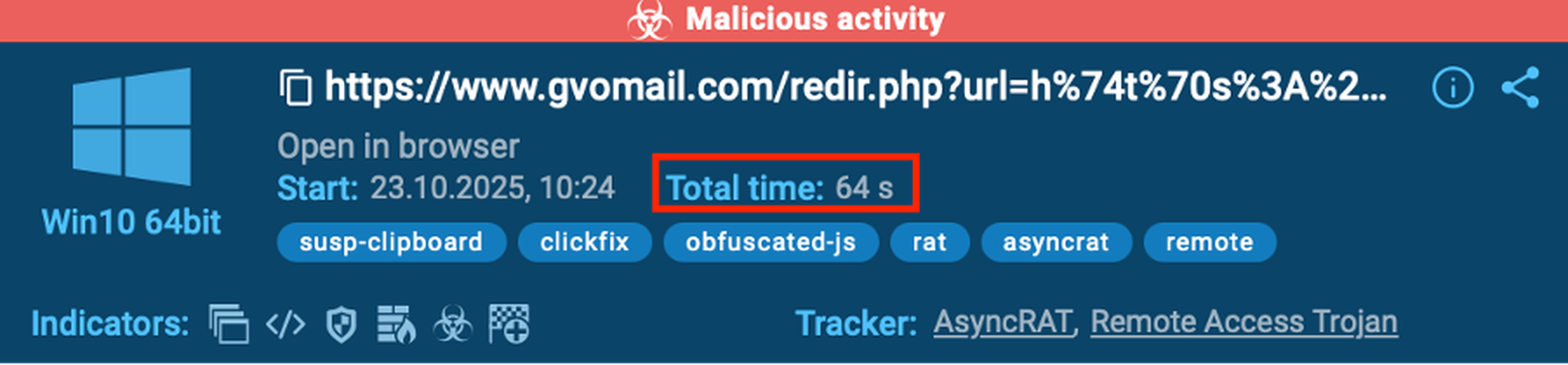
ClickFix is difficult for automated tools to flag, and it’s just as inefficient for analysts to verify by hand. The only reliable way to see what’s actually happening is to recreate the user action and watch the behavior unfold, which is where combining automation with guided interaction becomes important.This is why teams increasingly rely on interactive sandboxing. ANY.RUN’s sandbox is one example: it automates the initial detonation, handles routine interaction steps, mimics user behavior and still allows analysts to step in and replicate the exact user action when the attack requires it. That mix of automation and controlled interactivity, including automated prompts that nudge the execution forward, is what makes ClickFix chains visible instead of ambiguous.1 minute required to expose full attack chain with ClickFix inside ANY.RUN’s sandboxWith this workflow, the full chain, from copy-paste execution to payload delivery, often becomes clear in about 60 seconds.The outcome is straightforward: analysts work faster, spot more real threats, and deliver clearer answers to clients without slowing down under the workload.
Recent Variants MSSPs Should Track in 2026
As ClickFix spread, attackers began recycling the same core trick across different user workflows. The result is a set of variants that look unrelated on the surface but follow the same pattern: get the user to run the command.Here are the ones MSSPs are seeing by the end of the year and should continue tracking in 2026:
Fake Updates: Pages claim the system needs a quick fix or update, telling the user to paste a short command. The sequence quietly downloads an executable, gathers system details, and often drops an info-stealer.
Pseudo-CAPTCHAs: These start with a real verification step (like a genuine Cloudflare check) and follow it immediately with a fake one. The second prompt asks the user to paste a command, making the switch hard to notice.
A real CloudFlare CAPTCHA solved automatically inside ANY.RUN, without human interaction
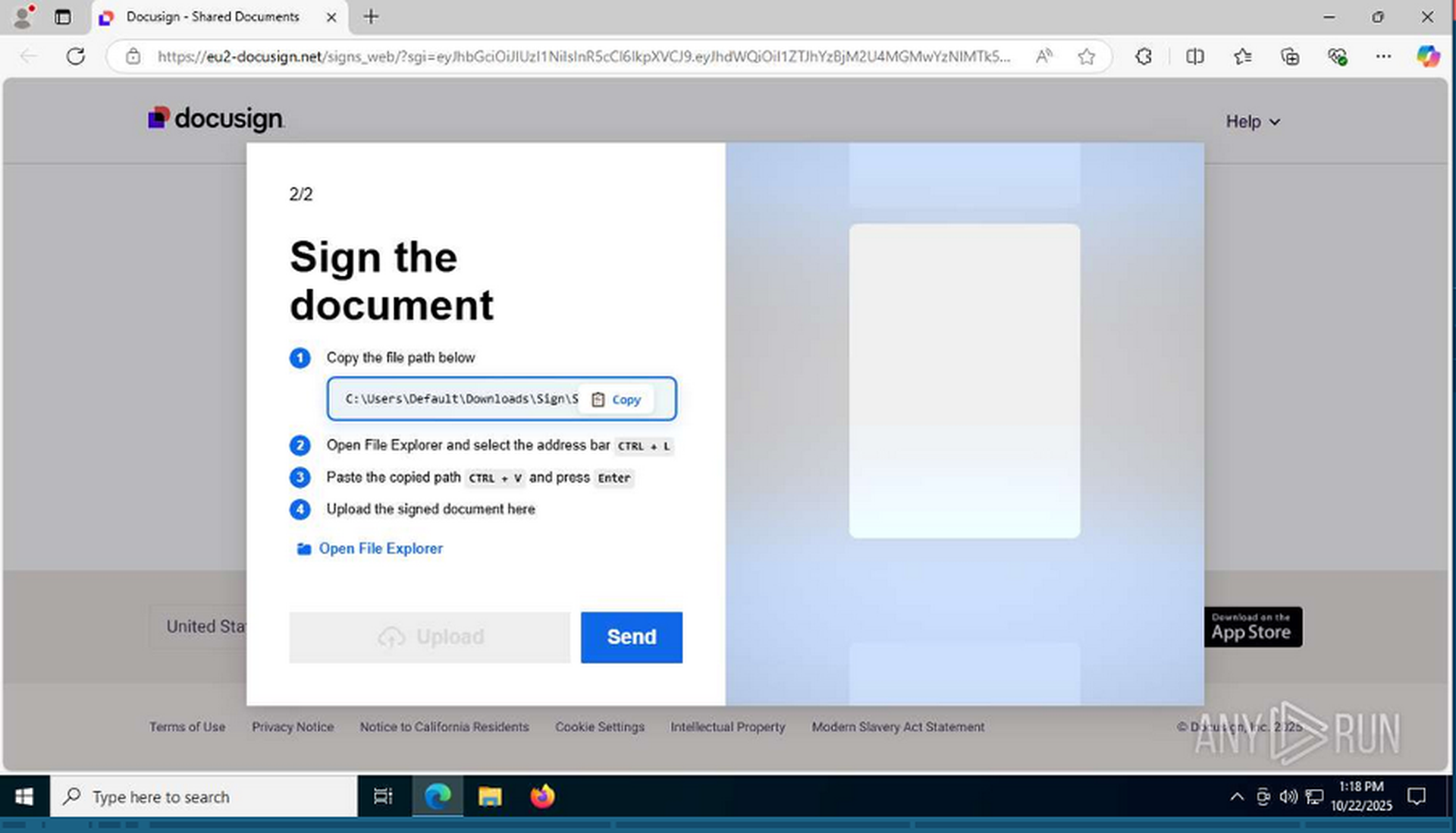
FileFix (Explorer/Path Variants): Instead of a CAPTCHA, the page shows what looks like a normal file path for the user to “open.” The malicious part of the command is hidden off-screen, executed when Enter is pressed.
FileFix variant of ClickFix: A fake document analyzed in ANY.RUN sandbox
DocFix (Document Viewer Variants): Targets users who handle PDFs and Office files. The page claims the document “could not load” and instructs the victim to paste a recovery path or command, which launches the payload.
MeetFix and Communication-Tool Variants: Fake Google Meet or video-call errors push users to fix a “permissions issue” via a copy-paste command. These blend easily into daily workflows, especially in distributed teams.
Upgrade Your Detection Capabilities Before the Next ClickFix Wave Arrives
ClickFix and its fast-evolving variants won’t slow down. The MSSPs who stay ahead are the ones who adopt solutions that reveal behavior quickly, reduce manual verification, and give analysts the clarity they need to respond with confidence.MSSPs using ANY.RUN’s interactive sandbox report:
Up to 3× higher operational efficiency across investigation workflows
Up to 58% more threats detected, including stealthy and user-initiated chains
94% of users reporting faster triage during high-volume incident periods