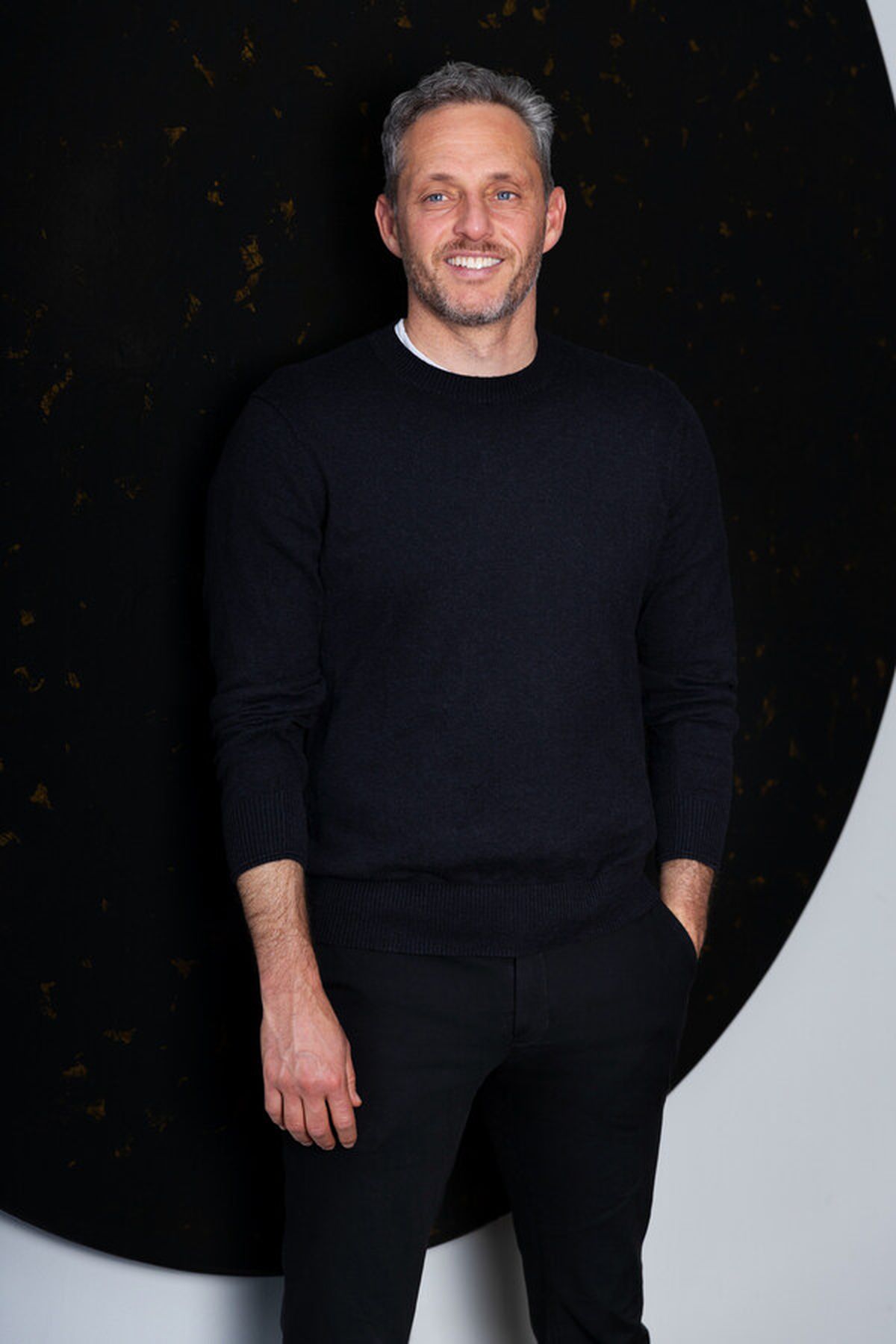
David Schwartz has sat in the MSP seat. Now he’s rebuilding the toolkit. When David Schwartz became CEO of Pia, he brought more than just leadership credentials. He brought firsthand experience from years spent running, scaling, and selling in the MSP world. That background is shaping his approach to Pia’s next phase, one that focuses less on hype and more on building meaningful tools that MSPs can actually put to use. Schwartz isn’t trying to chase every trend; he’s focused on making sure the technology delivers outcomes that matter. “Every tool has to earn its place,” he told ChannelE2E. I sat down with David to talk about how MSP expectations are shifting, what it really takes to deliver value in an AI-saturated market, and how Pia plans to stay focused while helping partners scale smarter, not just faster.Schwartz says that the earlier lessons he got still guide how he shows up for partners - practical, focused, and dialed into what actually moves the needle.
ChannelE2E:You’ve been a founder, a sales leader, an operator - you know this industry inside out. Now, as Pia’s CEO, what’s driving your vision? And how is that experience shaping the path forward?David Schwartz: I've sat in a lot of different seats to get here, and I’m incredibly grateful. I don’t take this opportunity lightly. There have definitely been bumps along the way, but that’s part of what makes this journey so meaningful.I’ve been working closely with the Pia team for a few months now, meeting partners, connecting with our teams in the U.S. and Australia, and getting a solid sense of where we are and where we need to go. The experience has been phenomenal.
When you’ve run an MSP, you understand what it’s like to juggle tight margins, small teams, and massive responsibilities - like hitting SLAs, managing payroll, and driving new business all at once. I’ve been the person who had to drop everything and jump back into the service desk. Those moments were tough, but they shaped who I am and how I lead today.Because of that, I know firsthand how selective MSPs have to be when they evaluate new technology. Every tool has to earn its place, and that understanding deeply informs how we build and position Pia.ChannelE2E: You’ve been working with MSPs for a long time now. Outside of the AI buzz, what’s the biggest shift you’ve seen in how MSPs operate today versus, say, two or five years ago?David Schwartz: Great question. AI and automation have absolutely changed the landscape, but what's most notable is the mindset shift. MSPs today are more aware of the problems that tech can actually solve, but they’re also a lot more cautious.Eighteen months ago, there was a rush to adopt the latest AI tool. Today, there’s more discipline. MSPs are asking: Is this actually going to drive impact? Do we have the time and resources to implement it effectively? The bar for adoption has risen, and rightly so.When I look back five years, we were piecing together our own tech just to plug operational gaps. Now, the tools exist, but every MSP still has its own way of doing things, which means any tech has to be adaptable. There’s no one-size-fits-all solution.ChannelE2E: You’ve described Pia as “meaningful tech solving real problems.” With so many shiny objects out there, how do you keep the product focused and relevant?David Schwartz: We spend more time with partners. It’s that simple and that hard. When I first joined, there were tons of exciting possibilities - features, integrations, partnerships. But chasing everything means finishing nothing.So we paused. We took inventory and talked to our partners about what really matters. That input shaped where we put our energy. And it continues to guide our roadmap today.ChannelE2E: I know you’re formalizing a Customer Advisory Board. How is partner feedback like that influencing your roadmap?David Schwartz: Historically, we had an informal structure, but we’re formalizing it now. The goal is to work with our partners to shape the product.One example: We were doing a great job with automation and ticket resolution, but partners wanted deeper insights. Not just dashboards, but visibility into the value Pia delivers right now, and what more they could unlock with other integrations. That insight led us to prioritize reporting and visibility over launching the next flashy feature.ChannelE2E: On the topic of AI, have you seen a real breakthrough yet, or is the market still catching up to the promise?David Schwartz: There’s real value, but also a lot of noise. Two years ago, many MSPs felt like they had to adopt AI just to keep up. Now, they’re more focused on outcomes.I’ll give you an example. One of our partners had six service desk techs leave, some moved on, others transitioned to new roles. At the same time, they onboarded over 1,000 new endpoints. And they didn’t hire a single replacement. That’s the power of meaningful automation; it creates real business leverage. They avoided hiring ten people in total, which is huge for margin, growth, and talent development.ChannelE2E: That’s a compelling example. So how do you plan to differentiate Pia from the many vendors out there?David Schwartz: Innovation is part of it, but focus is the differentiator. We’re investing heavily in real feedback loops, Customer Advisory Boards, growth advisors, partner conversations. By really listening and co-building with partners, we stay grounded in their needs. That ensures we don’t just chase trend, we solve real problems. If we keep doing that, the innovation and outcomes will follow.ChannelE2E: Is there anything you’d like to say to your partners about what they can expect from Pia under your leadership?David Schwartz: I’d say this: I understand the skepticism. The market’s been promised a lot, and many tools haven’t delivered. That creates uncertainty.We’re not here to overpromise, we’re here to walk the path with our partners. That means investing time, resources, and people to ensure Pia actually drives outcomes. And we want to be more than a vendor, we want to be a strategic partner. We’re building the insights, the reporting, and the support to help our partners get the most from the platform, and show them where their next opportunity lies. That’s what they can expect moving forward.
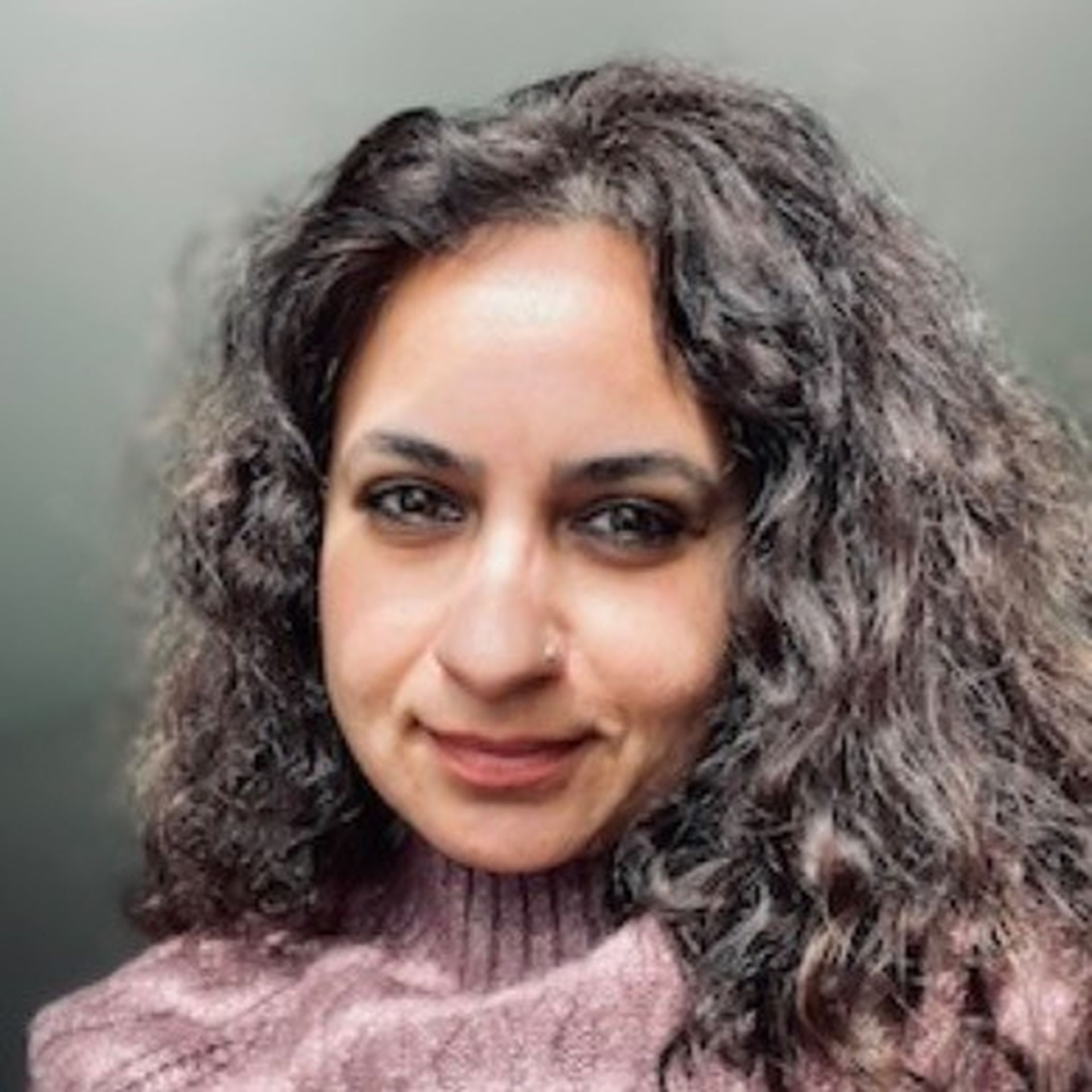
Suparna is the Senior Managing Editor for CyberRisk Alliance’s Channel Brands, including MSSP Alert and ChannelE2E. She manages content development, sharpens editorial workflows, and ensures storytelling is tightly aligned with audience needs. With a background in technology, media, and education, she combines strategic insight with creative execution.
Katalyst's CEO Luke Johnson discusses Katalyst’s e4n partnership, its decision to build MSSP capabilities internally and why midmarket customers need more guidance around security, AI and digital operations.